Climate·8 min read·LOS ANGELES
California Wildfire Season 2026: Climate Markets for CA Residents
By Catie Di StefanoPublished April 20, 2026Updated July 15, 2026
Wildfire season runs roughly May through October. Kalshi and Polymarket both list climate event contracts — including some that touch California fire activity. Here's the honest read on what's tradable and what isn't.
FeaturedKalshi
Some links on this page are affiliate links — we may earn a commission if you sign up, at no cost to you. How we make money.
Keep reading


Frequently asked questions
Are there direct California wildfire prediction markets?
- Coverage is limited and inconsistent on CFTC-regulated venues. Kalshi and Polymarket have listed wildfire-adjacent contracts in past years but offerings vary by season. Manifold (a play-money market) lists a 'will more acres burn in California in 2026 than 2025' contract, which is useful as a sentiment gauge but not a real-money venue. The most useful tradable real-money markets in this category remain inverse — LA and SF monthly rainfall — which correlates with fire risk.
How bad is the 2026 California fire season expected to be?
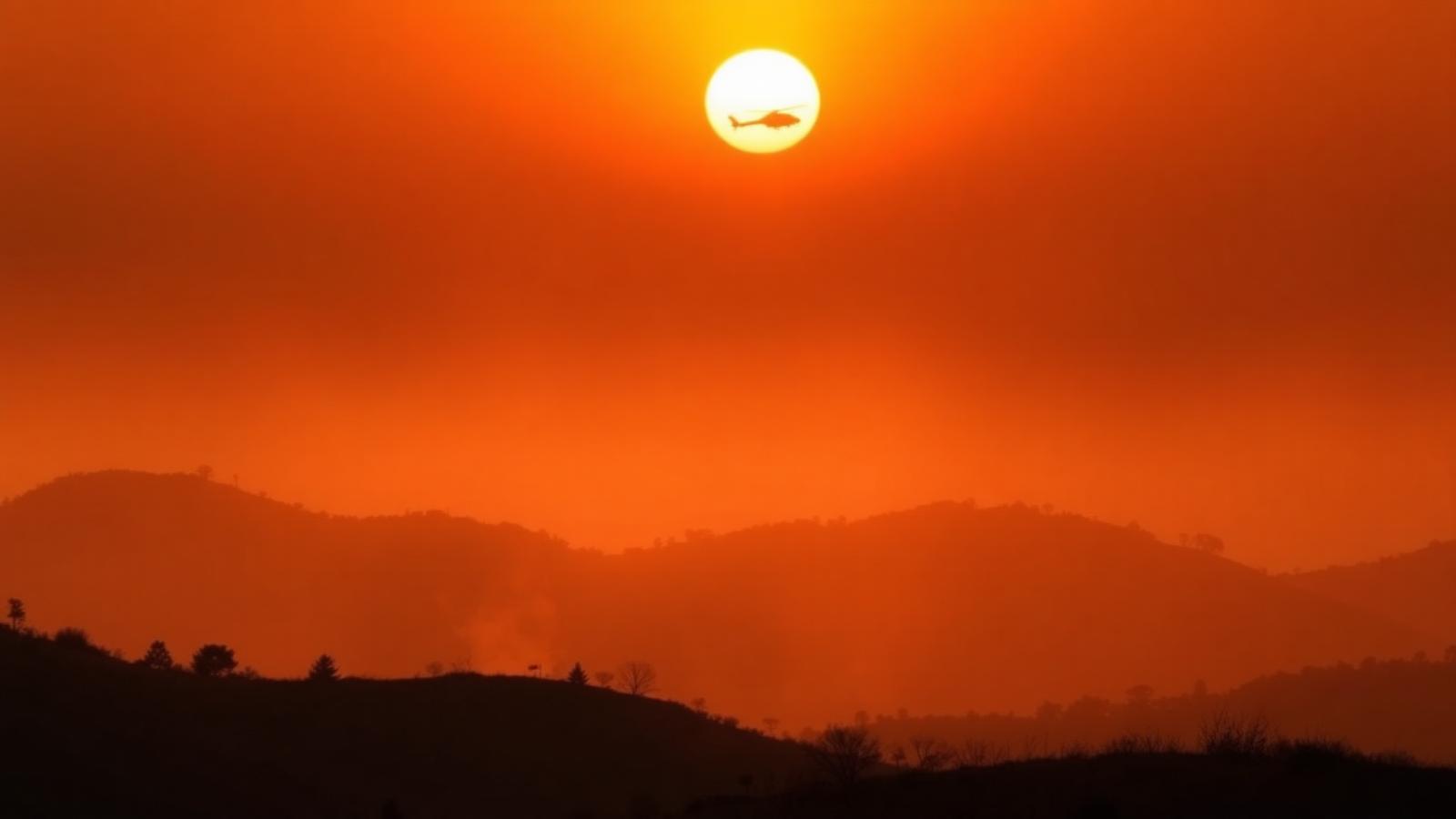
- NIFC's spring 2026 outlook flagged elevated risk across the West, and the broader US fire season opened earlier and more intensely than 2025. California enters peak season (July-September) with above-normal risk in the southern half of the state per Cal Fire and NWS guidance — though predictions are not contracts, and tradable rainfall markets are the cleaner expression.
When is California wildfire season?
- Typically late May through late October, with peak activity July through September. The season has lengthened in recent years and now sometimes extends into November and December under drought conditions.
What climate contracts are legally tradable in California?
- Monthly rainfall contracts for major US cities including LA and SF (Kalshi, Robinhood), Atlantic hurricane landfall counts, and broad climate temperature contracts. All are CFTC-regulated and legal for California residents.
Should I trade wildfire-adjacent markets if I live in CA?
- Be honest with yourself about why. Trading on outcomes that affect your home and community can complicate decision-making. If fire risk to your home would meaningfully alter your finances anyway, climate contracts can act as a rough hedge — but they are not a substitute for proper insurance.
Where do I find LA rainfall contracts?
- Kalshi lists monthly Los Angeles rainfall contracts year-round. Robinhood's prediction markets section also lists rain-in-LA contracts via Kalshi.
What does an LA rainfall contract pay?
- Each contract pays $1 if total monthly rainfall at the specified weather station crosses a threshold (e.g., 'above 1 inch in May'). The price you pay reflects the market's implied probability of that threshold being met.
Is this safer than sports trading?
- Different risk profile. Climate markets have lower headline volatility but resolve only at month-end. Sports contracts resolve faster but with more emotional swings. Neither is inherently 'safer' — they're different products.
How does insurance differ from prediction-market hedging?
- Insurance is a regulated indemnity contract designed to make you whole after a covered loss. Prediction markets pay out on the occurrence of an event, not on your individual damages. Treat any climate-market hedge as supplemental, not as insurance.
Keep reading