Recap: Fed May 2026 FOMC Meeting: How to Trade the Most-Watched Macro Event of the Quarter
The Federal Reserve's May 5-6, 2026 FOMC meeting is the most-traded macro event on Kalshi this quarter. Rate-decision contracts have absorbed seven-figure volume in the lead-up. Here's how to read the board, including the cleanest cross-trades against CPI and jobs.
We earn a commission if you sign up through these offers. 21+.
Kalshi: Trade $25 and Get $25!
CAPREDICTSCertain limitations apply. The offer is available to new users only, subject to the terms and conditions at kalshi.com/tc/500. 18+ only. Restrictions and eligibility requirements apply. Event contract trading involves significant risk and is not appropriate for everyone. Please carefully consider if it is appropriate for you in light of your personal financial circumstances. Kalshi products are not available in all jurisdictions. See kalshi.com/regulatory for more information.

On this page
Archived report: written in May 2026. Prices and details are as of then, not live.
TL;DR:
Recap: The Fed's spring meeting was held April 28-29, 2026 (there was no May meeting); it held the federal funds rate at 3.50%-3.75%. It held again in June, then raised rates to 3.75%-4.00% on September 16. See CPI inflation prediction markets for what markets watch next. The May 5-6, 2026 FOMC meeting is widely expected to either hold the federal funds rate steady (~60% probability on Kalshi) or cut by 25 basis points (~35%), with a small tail for a hike or 50bp cut. Kalshi is the dominant US venue, with three contract types: binary cut/no-cut, bracketed amount-of-cut, and end-of-2026 federal funds rate. Volume peaks in the 48 hours before the announcement. The 30-minute Powell press conference window is where the most informed money trades the future-rate-path contracts. CPI (May 13) and jobs (early June) are the cleanest cross-trades. For California, mortgage rates and tech equities are the two state-specific knock-ons.
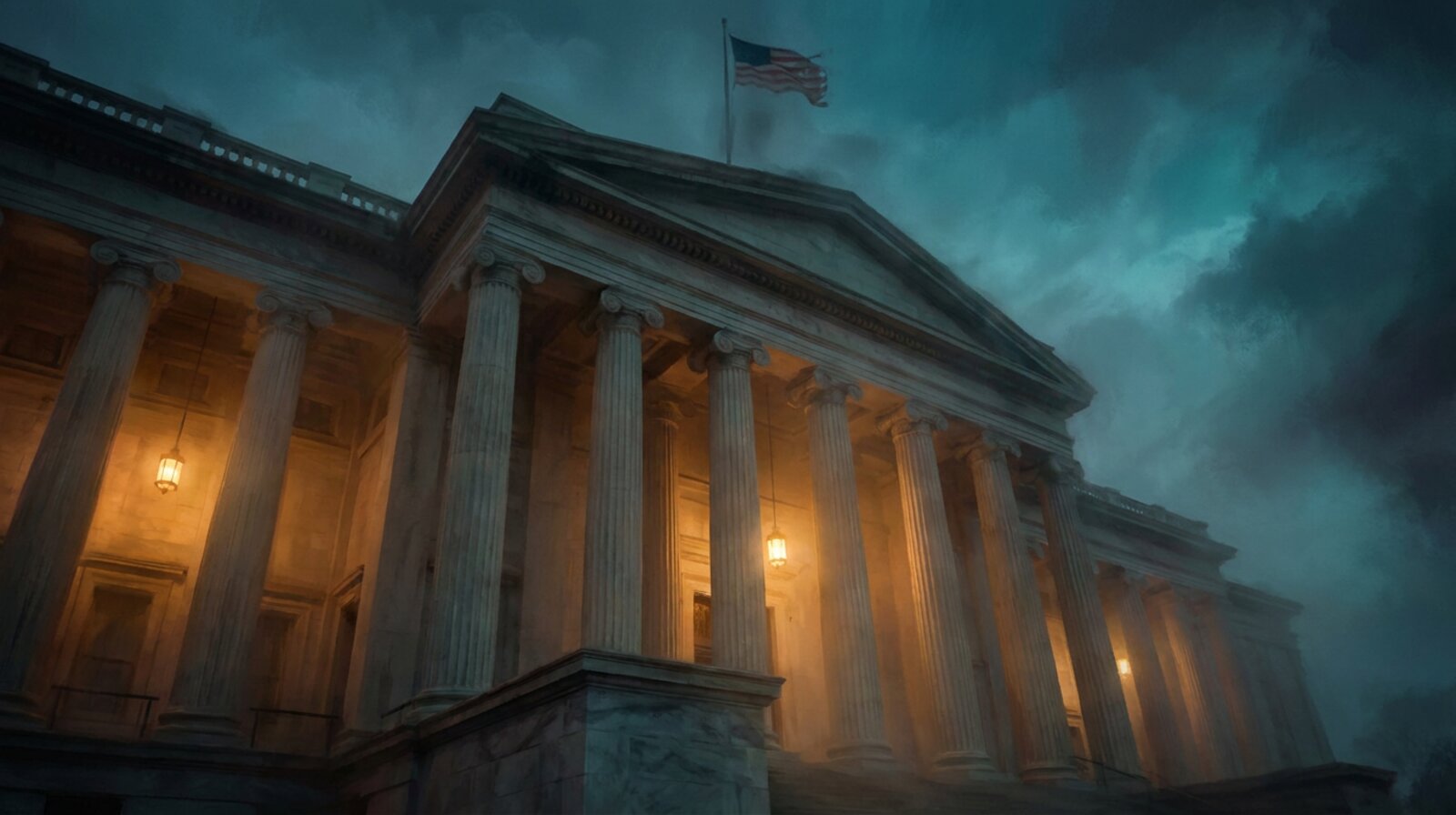
Recap: The Fed's spring meeting was held April 28-29, 2026 (there was no May meeting); it held the federal funds rate at 3.50%-3.75%. It held again in June, then raised rates to 3.75%-4.00% on September 16. See CPI inflation prediction markets for what markets watch next. The analysis below shows how markets priced it beforehand.
The Federal Reserve (opens in a new tab)'s May 5-6, 2026 FOMC (opens in a new tab) meeting is the most-traded macro event on Kalshi (opens in a new tab) this quarter. Rate-decision contracts have absorbed seven-figure volume in the 72 hours leading into the announcement, and the cross-trades against CPI and jobs contracts make this one of the cleanest macro setups of the year. Here's how to read the board.
Our Take
Our take: The 30-minute window after the announcement, during the Powell press conference, is where the most informed money trades the *path*: not the decision itself. New traders close at 2:00 PM ET and miss the highest-information trading window of the day.
We earn a commission if you sign up through these offers. 21+.
Kalshi: Trade $25 and Get $25!
CAPREDICTSCertain limitations apply. The offer is available to new users only, subject to the terms and conditions at kalshi.com/tc/500. 18+ only. Restrictions and eligibility requirements apply. Event contract trading involves significant risk and is not appropriate for everyone. Please carefully consider if it is appropriate for you in light of your personal financial circumstances. Kalshi products are not available in all jurisdictions. See kalshi.com/regulatory for more information.
Last checked November 12, 2026
If you only trade one Fed meeting in 2026, this is the one. Here's why and how.
What's the meeting actually about?
The May 5-6, 2026 FOMC meeting is widely expected to either hold the federal funds rate steady or cut by 25 basis points, with Kalshi contracts pricing roughly a 60% probability of a hold and 35% probability of a cut as of the meeting eve.
The setup: the April CPI print came in slightly below expectations, the latest jobs report showed continued labor-market softening, and the previous March meeting included a notable shift in dot-plot expectations toward more cuts in 2026 than the market had priced.
Translation: this is a real coin-flip-ish meeting, not a foregone conclusion. That's exactly when prediction-market liquidity peaks.
Where are the contracts?
Kalshi is the dominant venue for Fed rate decisions. Three contract types matter:
- 'Will the Fed cut rates at the May 2026 meeting?': the binary YES/NO contract. Highest single-contract volume.
- 'How much will the Fed cut at the May 2026 meeting?': bracketed contracts (no change, 25bp cut, 50bp cut, hike). More granular, slightly thinner liquidity.
- 'What will the federal funds rate be at end of 2026?': long-dated contracts that reprice off every meeting. These are the cleanest expression of a multi-meeting rate path view.
Polymarket (opens in a new tab) has shallower Fed contracts but offers some of the same outcomes with crypto-funded liquidity. For most California traders, Kalshi is the right venue.
How does this trade in the 48 hours before the decision?
Fed contracts have a remarkably predictable rhythm:
T-48 hours. Volume picks up sharply. Contracts are typically 5-7 cents wide on the binary.
T-24 hours. Spreads tighten to 2-3 cents. Volume can quadruple. Most retail flow lands in this window.
T-2 hours. Spreads compress to 1 cent on the leading outcome. Anyone holding a position is mostly trading their conviction against the marginal informed buyer.
T-0 (announcement at 2:00 PM ET). The announcement triggers an immediate jump to ~99 or ~1 cent for the YES on the realized outcome. There's a 30-minute window of meaningful price action on the long-dated contracts as Powell's press conference moves expectations for *future* meetings.
T+1 hour (Powell presser ends). Markets settle. Cumulative volume on the day routinely exceeds the prior week combined.
The 30-minute Powell press conference window is where the most informed money trades the *path*, not the *decision*.
What's the cleanest trade?
Ready to trade?
Kalshi: US-regulated (CFTC) exchange with a wide range of markets.
Sign up at Kalshi (opens in a new tab)Certain limitations apply. The offer is available to new users only, subject to the terms and conditions at kalshi.com/tc/500. 18+ only. Restrictions and eligibility requirements apply. Event contract trading involves significant risk and is not appropriate for everyone. Please carefully consider if it is appropriate for you in light of your personal financial circumstances. Kalshi products are not available in all jurisdictions. See kalshi.com/regulatory for more information.
Three setups worth understanding:
The decision itself. If you have strong conviction one way, the binary YES/NO is the simplest expression. With pricing at 60/35/5 for hold/cut/hike, and the meeting effectively a coin flip plus, the YES on a hold pays roughly $0.65 per dollar risked. That's a thin edge and a big variance trade. Fine if you have a real view, dangerous as 'I think it's 50-50' filler.
The path, not the decision. End-of-2026 federal funds rate contracts let you express a multi-meeting view. If you think the Fed will end 2026 at 3.75% but the market is pricing 4.00%, you can buy the lower-rate contracts and let the next four meetings deliver the thesis. This is structurally lower-variance than trading a single meeting.
The Powell-presser straddle. The 30-minute window after the decision is where short-end rate expectations move on Powell's tone. If you have a view that he'll be more hawkish or dovish than the decision implies, the post-decision long-dated contracts are where to express it. This is the highest-IQ Fed trade and not for new traders.
How to trade this
Trade May 2026 Fed FOMC Meeting
- To trade this event, sign up for Polymarket and claim their sign-up offer. You can fund your account with crypto and access global markets.
- Allocate a small, responsible amount like $10-$25 to start. This allows you to learn market dynamics without significant financial risk.
- Focus on Kalshi's 'Will the federal funds rate be X after the May 2026 FOMC meeting?' markets. Read the resolution rules carefully and consider using a limit order for better pricing.
How does this connect to other macro contracts?
Three crosses worth noting:
CPI. The May 13 CPI print resolves a Kalshi contract one week after the FOMC. If you have a view on inflation, the CPI contract is often a cleaner expression than the rate-decision contract. See our CPI inflation prediction markets explainer for the mechanics.
Jobs report. The next nonfarm payrolls release follows in early June. Kalshi runs payroll contracts that reprice off the headline number. Together with the FOMC and CPI, these three macro releases form the core repeating cycle of Kalshi's macro calendar.
Recession contracts. Kalshi runs longer-dated 'will the US enter recession in 2026?' contracts. Each Fed decision reprices these by 1-3 cents. The May meeting is a meaningful input.
What about California-specific angles?
Two.
Mortgage rates. California's housing market is the most rate-sensitive in the country. A May cut would compress 30-year mortgage rates by 10-25 basis points within 48 hours, with knock-on effects on housing-related single-stock prices.
Tech equities. California's tech-heavy economy means the AI/cloud names that dominate the Bay Area trade hard off Fed expectations. Kalshi doesn't list single-stock contracts (yet), but the Nasdaq direction contracts on Kalshi let you express that view.
What's the biggest mistake new traders make?
Trading the decision and ignoring the press conference. The decision itself is well-priced by the market. The Powell-presser tone is where information asymmetry actually exists. New traders close their position at 2:00 PM ET when the decision drops and miss the most-informed 30 minutes of the day.
Confusing 'I think the Fed should cut' with 'I think the Fed will cut.' The market doesn't care what's economically optimal. It cares what 12 voting FOMC members will actually decide.
Underestimating the path market. Single-meeting contracts are noisy. Multi-meeting path contracts are much higher-information per dollar at risk.
How to start
| Step | Detail |
|---|---|
| Open a Kalshi account | Fed contracts are the most liquid macro market available to California traders. |
| Read the dot plot from the March meeting | it's the single best free input on what the FOMC is actually thinking. |
| Pick one contract type. | Don't try to trade decision, path, and presser all at once on your first FOMC. |
| Set a stop. | Macro contracts can move 20-40 cents in a single press conference. Define your max loss before the meeting starts. |
Trade responsibly: 1-800-GAMBLER or ncpgambling.org (opens in a new tab).
About the author
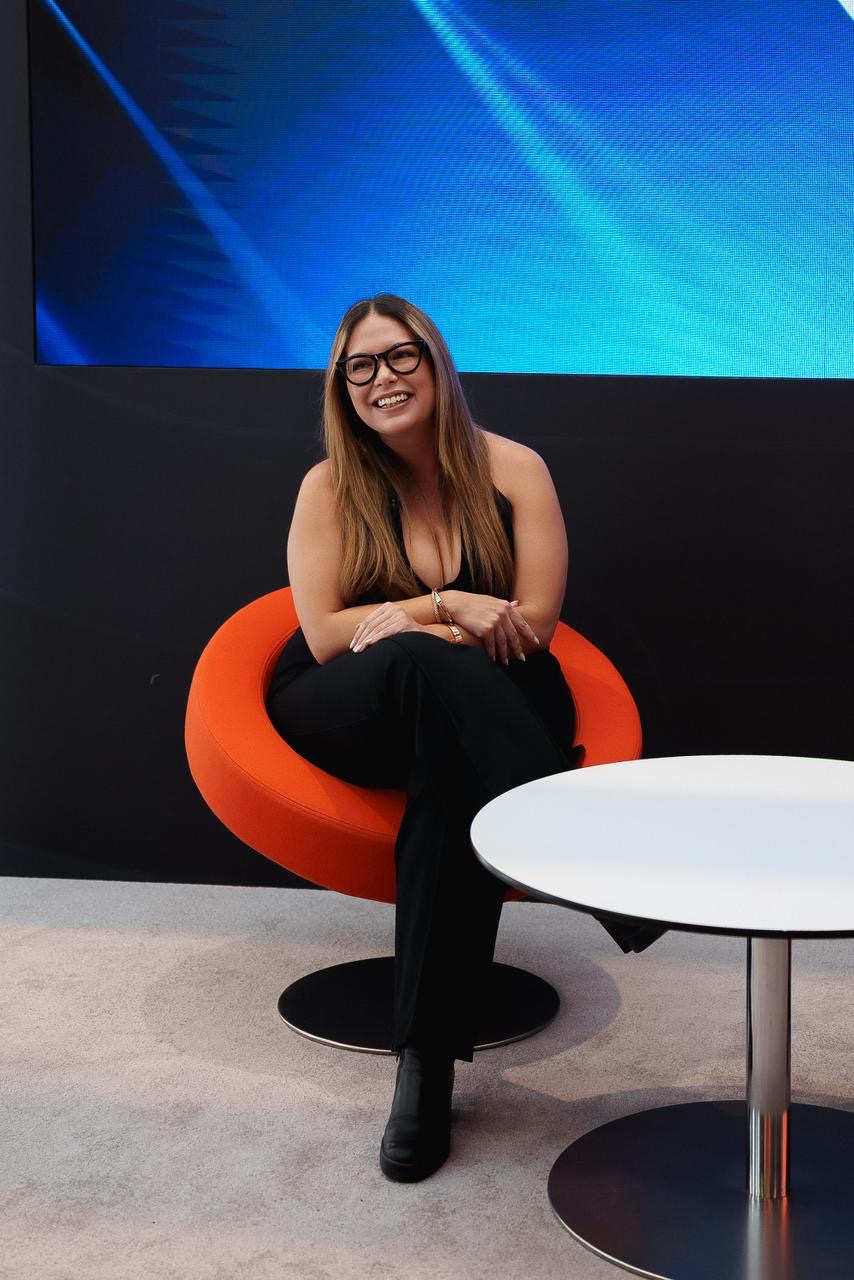
Catie Di Stefano
Catie Di Stefano has spent 15 years in the regulated gambling industry, starting at Betsson Group in Malta and spending nearly five years at Gaming Innovation Group (GiG) before building an independent consultancy across European and US iGaming brands, including a licensed engagement with Hard Rock Hotel & Casino Atlantic City under a New Jersey DGE vendor license. She's been interviewed by the California Business Journal on the rise of online gambling in the US, and spoke on a 2022 Next.io panel specifically about California's gaming market. She went on to build the OnlineGamblers.com brand and hold marketing director roles at Smartico.ai and Vegas Kings, and has been named to multiple iGamingExpress industry rankings. She now covers regulated prediction markets full-time.
Editorial standards: How we research and rank
Weekly digest
The weekly California markets email is launching soon. Until then, see this week's biggest moves.
Sources & further reading
Every figure and legal claim on this page traces back to a primary source. These are the ones we checked, open them and verify us.
- Federal Reserve: FOMC statement, April 29, 2026 (opens in a new tab)
Official April decision: rates held at 3.50%-3.75%.
- Federal Reserve: FOMC statement, September 16, 2026 (opens in a new tab)
Official September decision: rates raised to 3.75%-4.00%.
- Federal Reserve: FOMC meeting calendar (opens in a new tab)
Official meeting dates.
Next steps
Top platforms Californians are using:
Kalshi
US-regulated (CFTC) exchange with a wide range of markets.
Sign up at Kalshi (opens in a new tab)Certain limitations apply. The offer is available to new users only, subject to the terms and conditions at kalshi.com/tc/500. 18+ only. Restrictions and eligibility requirements apply. Event contract trading involves significant risk and is not appropriate for everyone. Please carefully consider if it is appropriate for you in light of your personal financial circumstances. Kalshi products are not available in all jurisdictions. See kalshi.com/regulatory for more information.
Polymarket
Sports, politics and culture markets in US dollars.
Sign up at Polymarket US (opens in a new tab)18+ Only. Restrictions and eligibility requirements apply. Not available in all jurisdictions. Trading is risky. 100% loss can occur. See polymarket.com/tos for more information. The Polymarket US App serves as an independent software provider and affiliate of Polymarket US and Polymarket Clearing, the CFTC-regulated exchange and clearing organization.
Frequently asked questions
Was there a May 2026 FOMC meeting?
No. The Federal Reserve met April 28-29, 2026, and next met June 16-17, 2026, according to the Fed's FOMC calendar (checked November 11, 2026).
What did the Fed decide at its spring 2026 meeting?
At its April 28-29, 2026 meeting, the Federal Reserve kept the federal funds rate target range at 3.50% to 3.75%, according to its April 29 statement (checked November 11, 2026).
What are the three Fed contract types I should know?
Binary YES/NO on a cut at the upcoming meeting (highest single-contract volume), bracketed contracts on the size of the cut (more granular), and end-of-2026 federal funds rate contracts (the cleanest expression of a multi-meeting path view). End-of-2026 contracts reprice off every meeting and are typically the highest-information per dollar at risk.
When does volume peak around an FOMC meeting?
Volume picks up 48 hours before, accelerates 24 hours before, and peaks in the 2 hours before the announcement. The post-announcement Powell press conference window (30 minutes) is where the most informed money trades the future-path contracts. Cumulative day-of volume routinely exceeds the prior week combined.
What's the cleanest macro cross-trade?
CPI on May 13 is the cleanest follow-on to the FOMC. If you have a directional view on inflation, the CPI contract is often a better expression than the rate-decision contract. The early-June jobs report is the next macro data point, and Kalshi's payroll contracts reprice off the headline number.
Is this legal for California traders?
Available, dispute pending (as of October 13, 2026). Kalshi is CFTC-regulated and legal in 47 states plus D.C. Macro and economic-data contracts are explicitly authorized. They're the original use case for federally regulated event contracts.
What's the most common new-trader mistake?
Closing positions at 2:00 PM ET when the decision drops and missing the Powell press-conference window. The decision itself is well-priced by the market. The press-conference tone is where information asymmetry actually exists. Long-dated end-of-2026 rate contracts move 1-3 cents during Powell's remarks.
What are the exchange fees for trading Fed interest rate contracts?
Kalshi charges a small per-contract trading fee, shown before you confirm an order. Polymarket US also shows its fee on each order, and there are no crypto network fees because it trades in US dollars. OG builds its costs into its pricing. On every platform you also pay the bid-ask spread, so compare the full cost of an order before you trade.
How does Kalshi verify California residency for macro trading?
Kalshi requires a standard Know Your Customer process. During sign-up, you must provide your California residential address, Social Security number, and a government-issued ID. This verification ensures the platform remains compliant with CFTC regulations. Once verified, California residents have full access to all federal interest rate and economic indicator markets available on the exchange.
Already have Kalshi? Add a second app
- OG: Trade $25 Get $50 in Rewards! (New users only) (code
CAPREDICTS) · 42 states + D.C. Claim on OG (opens in a new tab)
Paid partnership with OG. Terms and conditions apply. Trading derivatives involves risk and may not be appropriate for all. Availability subject to jurisdictional limitations. For more information, visit: OG.com. - ProphetX: Trade $40 Get $40 (code
CAPREDICTS) · 49 states + D.C. Claim on ProphetX (opens in a new tab)
New users only. T&Cs apply. ProphetX's minimum age is 18 (or the local age of majority if higher); we recommend 21+. Not available in Nevada. Trading involves risk.
21+ · T&Cs apply · Terms
Certain limitations apply. The offer is available to new users only, subject to the terms and conditions at kalshi.com/tc/500. 18+ only. Restrictions and eligibility requirements apply. Event contract trading involves significant risk and is not appropriate for everyone. Please carefully consider if it is appropriate for you in light of your personal financial circumstances. Kalshi products are not available in all jurisdictions. See kalshi.com/regulatory for more information.


